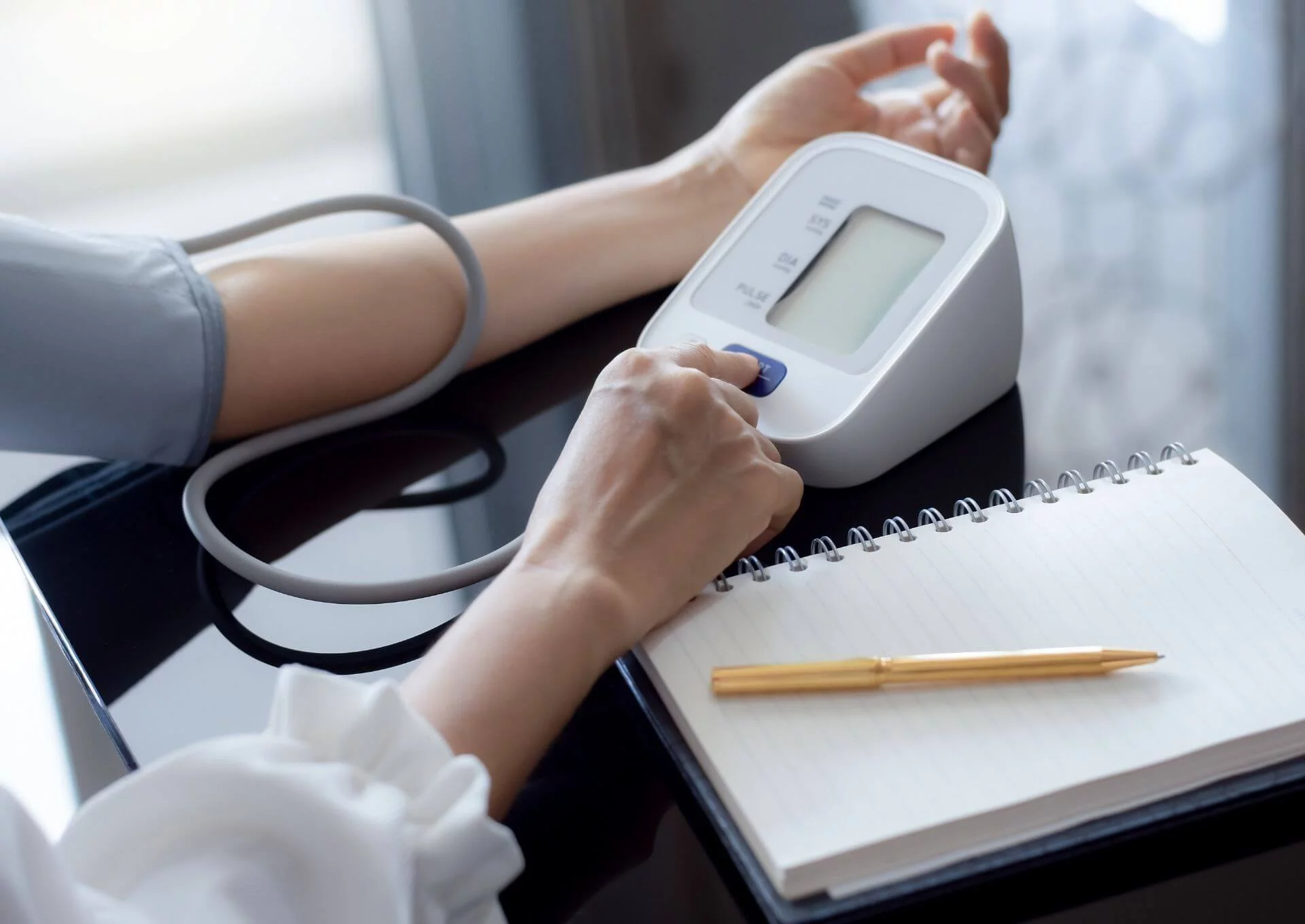
Which Blood pressure monitor you should choose
Comparing Blood Pressure Monitors: Arm, Wrist, and Manual Devices
Blood pressure monitoring is an essential part of maintaining cardiovascular health. Choosing the right type of blood pressure monitor can significantly impact accuracy, convenience, and overall usability. In this post, we’ll compare three popular types of blood pressure monitors: electric upper arm monitors, electric wrist monitors, and classic manual (aneroid) monitors. In addition we will give some tips on how to correctly use them.
Electric Upper Arm Blood Pressure Monitors
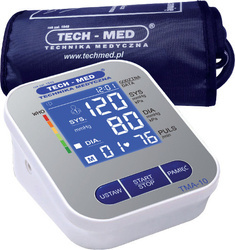
Electric upper arm monitors are the most commonly recommended by healthcare professionals for home use. They are reliable, accurate, and user-friendly.
Advantages
- High Accuracy: These devices measure blood pressure at the upper arm, which is closer to the heart, ensuring accurate readings.
- Ease of Use: Fully automatic versions inflate and deflate the cuff with minimal user intervention.
- Advanced Features: Many models come with irregular heartbeat detectors, memory storage, and smartphone connectivity.
- Suitability for All Users: They work well for people of all ages, including seniors.
Drawbacks
- Bulky Design: Upper arm monitors tend to be larger, making them less portable.
- Setup Time: Proper cuff placement and positioning are crucial, requiring some practice.
Electric Wrist Blood Pressure Monitors
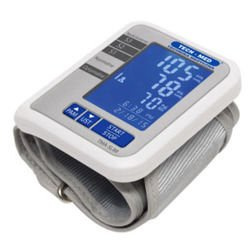
Wrist monitors offer a more compact and portable alternative to arm monitors. As a result these devices are ideal for users who need a convenient, travel-friendly option.
Advantages
- Compact and Lightweight: Easy to carry and store, perfect for on-the-go use.
- Quick Operation: Often faster to set up, as they don’t require rolling up sleeves.
Drawbacks
- Accuracy Concerns: Wrist measurements can be less accurate due to the distance from the heart and potential errors in wrist positioning.
- User Dependency: Proper posture (resting the wrist at heart level) is critical for reliable readings.
- Limited Features: Wrist monitors may lack advanced capabilities found in upper arm models.
Manual (Aneroid) Blood Pressure Monitors
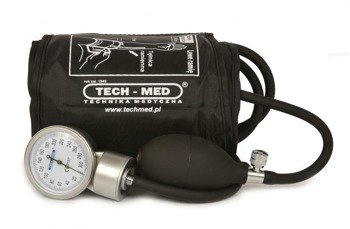
Manual blood pressure monitors, often seen in clinical settings, use a cuff, a rubber bulb for inflation, and a gauge to read pressure. Additionally they require a stethoscope and are best suited for trained users.
Advantages
- High Precision: When used correctly, they provide accurate readings.
- Durability: Sturdy construction makes them long-lasting.
- Cost-Effective: Typically more affordable than electric models.
Drawbacks
- Learning Curve: Proper technique requires training and practice.
- Time-Consuming: Manual inflation and deflation take longer.
- No Additional Features: They lack memory storage or irregular heartbeat detection.
Which One Should You Choose?
The best blood pressure monitor depends on your individual needs:
- For Accuracy and Features: Go for an electric upper arm monitor, especially if you want reliable readings and advanced features like memory and irregular heartbeat detection.
- For Convenience and Portability: Choose a wrist monitor if you prioritize compactness and ease of use while traveling.
- For Cost-Effectiveness and Precision: Opt for a manual monitor if you have the training and prefer a durable, budget-friendly option.
Tips for Accurate Blood Pressure Monitoring
- Follow Instructions: Always read the user manual carefully.
- Stay Consistent: Measure at the same time daily, preferably morning and evening.
- Maintain Proper Posture: Sit upright with your back supported and feet flat on the ground.
- Avoid Distractions: Rest for a few minutes before measuring and avoid talking or moving during the process.
Final Thoughts
Each type of blood pressure monitor has its strengths and weaknesses. Therefore by understanding these differences, you can make an informed choice that suits your lifestyle and health requirements. Whether you prioritize accuracy, portability, or affordability, regular monitoring is key to maintaining good cardiovascular health.
